Beyond the Label: 7 Compelling Benefits of Investing in a Quality Designer Handbag - Is a Designer Handbag Worth It?
A designer handbag is often perceived as a luxury indulgence, but treating it merely as an expensive accessory overlooks its true value. While high-street alternatives offer seasonal trends at accessible price points, a well-chosen designer bag functions as a wardrobe cornerstone, a practical investment, and often, a piece of functional art.
If you are weighing the cost against the utility, here is a detailed look at why quality designer handbags justify their price tag—and often outperform their budget counterparts over time.
Investment Bags
1. Exceptional Craftsmanship and Materials
Unlike mass-produced fast-fashion accessories, luxury handbags are constructed using techniques refined over decades or even centuries.
- Material Integrity: Premium designers utilize full-grain leather, exotic skins (where ethically sourced), high-grade canvas, and rare textiles that develop a rich patina over time rather than peeling or cracking. Hardware is typically solid metal (often plated with gold or palladium) rather than plastic coated to look metallic.
- Construction: Look for details like saddle stitching (done by hand with waxed linen thread), reinforced stress points, and interior lining made from suede or high-quality cotton twill. These elements prevent the "saggy" structure and frayed seams common in cheaper bags after a few months of use.
What to look for: Check for even, tight stitching (no loose threads), symmetrical pattern alignment across seams, and weighty zippers that glide smoothly.
2. Cost-Per-Wear: The Economics of Longevity
While a $2,000 bag seems extravagant compared to a $150 high-street version, the financial logic changes when you calculate cost-per-wear. A well-maintained designer bag can last 20–30 years, often becoming a "forever piece" or heirloom.
- The Math: If you carry a $2,000 bag three times a week for ten years, the cost is roughly $1.30 per use. A $150 trendy bag that falls apart after one season costs significantly more per wear.
- Repairability: Most luxury houses offer lifetime repair services (often complimentary or for a nominal fee). Brands like Chanel, Hermès, and Louis Vuitton will replace hardware, re-edge straps, or fix lining issues, essentially renewing your bag indefinitely.
3. Timeless Design Over Trend Cycles
Fast fashion chases micro-trends, resulting in "dated" looking accessories within months. Established designers focus on house codes—signature elements that transcend seasons.
- The "Classic" Advantage: Investing in an iconic silhouette (like the Chanel 2.55, Hermès Kelly, or Lady Dior) means your bag never looks "last season." These designs have remained relevant for 50+ years.
- Versatility: Neutral tones (black, cognac, navy) in structured shapes transition seamlessly from boardroom to dinner, reducing the need for multiple occasion-specific bags.
4. The Pre-Loved and Resale Market
Unlike most consumer goods that depreciate immediately, certain designer handbags appreciate in value. The luxury resale market has exploded, turning high-end bags into liquid assets.
- Investment Pieces: Limited-edition releases or bags from heritage brands (particularly Hermès Birkins and certain Louis Vuitton collaborations) often sell on secondary markets for double or triple their retail price.
- Sustainable Rotation: Platforms like The RealReal, Vestiaire Collective, and Fashionphile allow you to recoup 60–80% of your purchase price when you wish to switch styles, effectively "renting" luxury for a minimal net cost.
5. Ethical Production and Sustainability
As consumers become more conscious of fashion’s environmental impact, designer houses have increasingly pivoted toward transparency.
- Slow Fashion: Luxury brands produce smaller quantities, reducing landfill waste. Many now offer repair workshops, take-back programs for recycling old bags, and vegan leather alternatives made from mushroom mycelium or pineapple fiber.
- Artisan Support: Purchasing from houses that still employ ateliers (workshops) in Italy, France, or Spain supports skilled artisans and preserves traditional craft techniques threatened by automation.
6. Functional Design and Ergonomics
Designers understand that their clientele uses these bags daily. This results in superior functionality often missing in cheaper alternatives:
- Weight Distribution: Straps are designed to sit comfortably on the shoulder without digging in, often featuring padding or wider constructions.
- Interior Logic: Luxury bags typically feature thoughtful compartmentalization—dedicated phone pockets, key leashes (to easily find keys), secure zipper sections for travel, and protective feet on the bottom to prevent scuffing.
- Weather Resistance: Many high-end bags receive treatments to repel water or resist UV damage, protecting your belongings and the leather itself.
7. Confidence and Personal Branding
Beyond the tangible, a designer bag affects how you carry yourself.
- The "Armor" Effect: Psychologists note that wearing high-quality items can increase confidence and perceived competence in professional settings—a phenomenon known as "enclothed cognition."
- Individuality: With customization services (monogramming, "bag charms," or made-to-order color combinations) offered by brands like Gucci, Prada, and Longchamp, your bag becomes a unique identifier rather than a mass-market clone.
How to Choose Your First (or Next) Designer Bag
If you are convinced but unsure where to start:
- Start Neutral: Your first investment should be a versatile medium-sized tote or shoulder bag in black, tan, or navy.
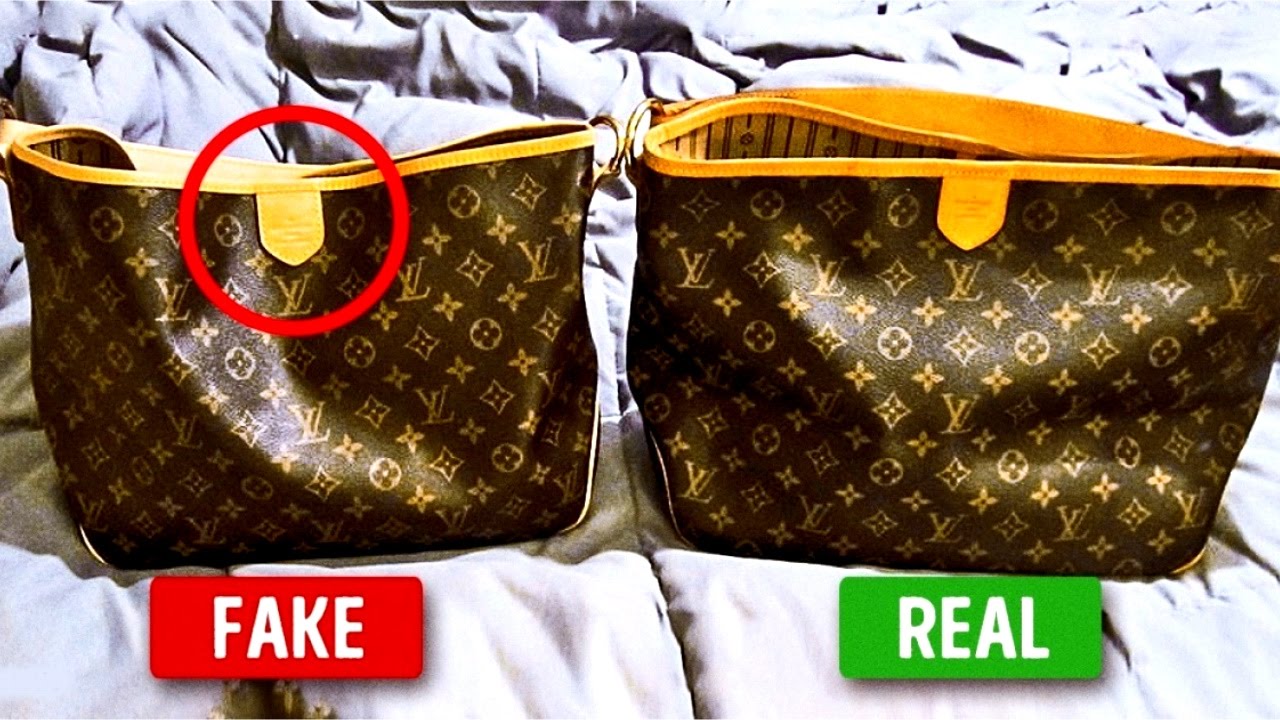
- Research Authentication: Always purchase from authorized retailers or reputable resale platforms with authentication guarantees. Familiarize yourself with serial numbers, date codes, and brand-specific hardware details to avoid counterfeits.
- Consider Your Lifestyle: If you commute by subway, a soft leather hobo suits you better than a rigid structured box bag. If you attend galas frequently, a compact clutch or chain-strap minaudière is more practical than an oversized shopper.
- Protect Your Investment: Store stuffed with acid-free tissue paper in a dust bag, condition leather annually, and avoid hanging bags by their straps long-term to prevent stretching.
Conclusion
A quality designer handbag is not merely an accessory—it is a functional tool, a potential financial asset, and a testament to slow, thoughtful consumption. By prioritizing craftsmanship over fleeting trends, you acquire an item that serves you daily while reducing long-term fashion waste. Whether you seek a power piece for the office or a delicate clutch for evening affairs, choosing quality ensures that your investment pays dividends in style, utility, and durability for years to come.
Author Bio:
Emma Robertson is a fashion journalist and sustainable style advocate with over a decade of experience covering luxury markets. Her work focuses on helping consumers make informed, ethical investments in their wardrobes. For more insights on building a timeless accessories collection.
About the author

Related Posts
By accepting you will be accessing a service provided by a third-party external to https://style-review.com/